

As electric bikes (e-bikes) gain popularity in urban commuting, understanding the essentials of home charging setups becomes increasingly important. Just like electric vehicles (EVs), electric bikes require efficient charging solutions to ensure optimal performance and longevity. This guide aims to equip you with the necessary knowledge to establish an effective home charging setup tailored for your electric bike.
Investing in an electric bike can significantly enhance your mobility while contributing to a more sustainable environment, similar to the shift we’ve seen in the motorcycle and automotive industries towards electrification. However, maximizing the benefits of your e-bike involves more than just selecting the right model; it necessitates a reliable charging system that meets your unique needs.
In this comprehensive guide, we will cover various aspects of home charging, including the types of chargers available, installation considerations, and maintenance tips aimed at optimizing the performance of your electric bike. Whether you’re a first-time e-bike owner or looking to upgrade your existing setup, our insights will help you create an efficient charging station, ensuring your e-bike is always ready to hit the road.
Home Charging Setup for Your Electric Bike, Motorcycle, and EV

Setting up a home charging station for your electric bike, motorcycle, or electric vehicle (EV) can significantly enhance your convenience and efficiency. The first step is to assess your current electrical system and determine the best location for your charging station. It’s essential to have a dedicated circuit to avoid overloading your home’s electrical system.
For electric bikes, many use standard household outlets, but upgrading to a Level 2 charger can reduce charging time. Make sure to choose a charger compatible with your specific bike model. Similarly, for electric motorcycles, check the manufacturer’s recommendations for optimal charging solutions, as they may require different wattage compared to standard e-bikes.
When it comes to EVs, installing a Level 2 charging station offers faster charging capabilities. You should consider hiring a licensed electrician for installation to comply with local codes and safety standards. Opt for smart chargers that can connect to your home Wi-Fi; these devices allow you to monitor charging times and energy consumption via an app.
Positioning of the charging unit is also essential. Place it in a dry, accessible area, preferably close to your parking space. Ensure you have adequate space for maneuvering your electric bike, motorcycle, or EV while connecting and disconnecting the charger. Additionally, consider using a charging station that features safety mechanisms such as surge protection and weather resistance.
Finally, familiarize yourself with any local regulations or incentives available for installing charging stations. Many regions offer rebates for eco-friendly upgrades, making it more cost-effective to set up a comprehensive home charging system for your electric bikes, motorcycles, and EVs.
Choosing the Right Charger for Your Electric Bike or Motorcycle
Selecting the appropriate charger for your electric bike or motorcycle is crucial for ensuring optimal performance and longevity of the battery. The first step is to determine the voltage and ampere specifications required for your specific model. Electric bikes typically operate at 36V or 48V, while some motorcycles may require higher voltage chargers. Always refer to your owner’s manual or the battery label to find this information.
The charging speed is another important factor. Chargers are available in different wattages, which directly affect how quickly your battery can be charged. Higher wattage chargers can significantly reduce charging time, but it’s essential to ensure that the charger is compatible with your battery type to avoid damage.
Additionally, consider the charging technology used. Smart chargers come with built-in features that optimize charging to protect the battery’s health. They often include safety mechanisms that prevent overcharging, overheating, or short-circuiting, making them a wise choice for both electric bikes and motorcycles.
Lastly, portability and ease of use are factors to keep in mind. If you plan to charge your electric bike or motorcycle at various locations, a compact and lightweight charger may be more convenient. Ensure it includes the necessary connectors for your battery type, ensuring a hassle-free charging experience wherever you go.
Setting Up a Charging Station at Home: Location and Installation Tips
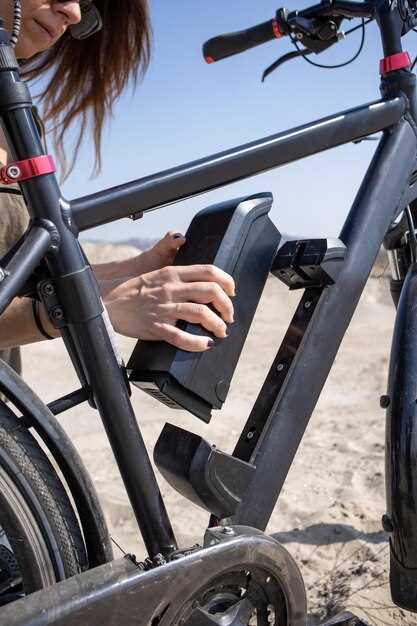
Creating an efficient charging station for your electric bike (e-bike) at home is crucial for maintaining optimal battery performance and ensuring convenience. Here are some tips on how to select the right location and install your charging setup.
1. Choose the Right Location:
- Opt for a covered area: Install in a garage or under a porch to protect your EV from weather elements.
- Proximity to a power outlet: Select a location near an outlet to reduce the need for long extension cords.
- Space for maneuverability: Ensure there’s enough room around the charging station for easy access to your bike.
- Keep away from traffic: Install your charging station in a low-traffic zone to avoid accidents.
2. Electrical Considerations:
- Determine power requirements: Check your e-bike’s charging specifications to ensure your setup meets its needs.
- Consider upgrading your outlet: If your bike requires more power, consult an electrician for installing a dedicated circuit.
- Use a surge protector: Protect your charging equipment from voltage spikes with a surge protector.
3. Safety and Compliance:
- Follow local electrical codes: Make sure your installation complies with area regulations for safety.
- Use outdoor-rated equipment: If charging outdoors, use weather-resistant plugs and extension cords.
- Install signage: If necessary, mark the charging area to alert others not to park there.
4. Additional Features:
- Consider a wall-mounted charger: Save space and keep your charging equipment organized with a wall-mounted unit.
- Install a lockable enclosure: Protect your charging equipment from theft or misuse by using a secure box.
- Use a timer or smart charger: Automate your charging times to optimize battery life and avoid peak electricity rates.
By carefully selecting the location and following installation guidelines, you can create an effective home charging station for your electric bike, ensuring you can enjoy your rides with minimal hassle.
Understanding Charging Times and Costs for Electric Vehicles
Charging times for electric vehicles (EVs) can vary significantly based on several factors, including the type of charger used, the capacity of the battery, and the state of charge when starting the charging process. Typically, there are three main levels of charging: Level 1, Level 2, and DC Fast Charging.
Level 1 charging utilizes a standard household outlet, usually providing 120 volts. This method is the slowest, typically requiring 8 to 12 hours for a full charge, making it suitable for overnight charging at home.
Level 2 charging uses a dedicated 240-volt outlet, delivering power at a faster rate. Most home charging setups employ Level 2 chargers and can fully charge an EV in about 4 to 8 hours, depending on the battery’s capacity. This option is ideal for users who frequently recharge their vehicles.
DC Fast Charging stations provide rapid charging, supplying high voltage directly to the EV’s battery. These stations can charge a vehicle up to 80% capacity in as little as 30 minutes, making them perfect for long-distance travel or when you’re short on time.
When considering the costs associated with charging an electric bike or vehicle, it is essential to factor in the electricity rates in your area. Typically, the cost to charge an EV can range from $0.10 to $0.30 per kilowatt-hour (kWh). To estimate the charging cost, you can use the formula: (Battery Capacity in kWh) x (Electricity Rate). For example, if your EV has a 60 kWh battery and your rate is $0.15 per kWh, the total cost to charge from empty to full would be approximately $9.00.
Moreover, public charging stations may have different pricing structures that can include pay-per-use or membership fees. Understanding these costs will help in budgeting your EV charging expenses effectively. Factors like charging frequency and energy consumption will ultimately influence your overall expenses associated with owning an electric vehicle or bike.