


The cafe racer movement emerged in the 1960s as a distinct subculture centered around the love for motorcycles and speed. With its origins in the United Kingdom, this movement was driven by young individuals who sought to customize their bikes for racing between cafes. This unique blend of speed and style gave rise to a new identity that revolved around the racer ethos and the social spaces where enthusiasts congregated.
At its core, the cafe racer is not just a type of motorcycle; it represents a way of life that emphasizes individuality and rebellion against mainstream culture. Riders would often modify their motorcycles to achieve peak performance while maintaining a sleek aesthetic. These modifications included lowering the handlebars, removing excess weight, and enhancing the engine’s power–each alteration contributing to the machine’s speed and the rider’s connection to the racing experience.
The cafe culture itself played a pivotal role in shaping the community around this movement. Cafes became meeting points for riders to share stories, showcase their racer bikes, and exchange tips on customization. This social aspect of the cafe racer culture not only fostered camaraderie but also solidified the subculture’s identity, intertwining the passion for motorcycles with a vibrant social scene that continues to thrive today.
The Origins of Cafe Racer Culture in 1960s London
The cafe racer culture emerged in 1960s London as a subculture among young motorcyclists. Inspired by the rock and roll scene, these enthusiasts sought to personalize their motorcycles, turning them into sleek, fast machines suitable for racing between cafes.
The term “cafe racer” originally referred to riders who modified their bikes for speed and style. They often competed informally, racing from one cafe to another, pushing the limits of both their motorcycles and themselves. Key locations like the Ace Cafe became iconic meeting points, fostering a sense of community among like-minded individuals.
Motorcycle modifications were typically focused on enhancing performance, with riders stripping down their machines to reduce weight and adding specialized components to improve speed and handling. This hands-on approach allowed riders to express their identity, making each bike unique.
Cafe racers also embraced a distinctive aesthetic, featuring minimalist designs, low handlebars, and a racing-inspired stance. The culture celebrated a do-it-yourself ethos, where creativity and individuality flourished, shaping the visual identity of the movement.
In addition to the mechanical aspects, the cafe racer movement was intertwined with a broader cultural shift in London, characterized by rebellion against the mainstream. The combination of motorcycle culture, music, and fashion created a vibrant scene that influenced later generations of bikers and continues to resonate today.
Key Characteristics Defining the Cafe Racer Aesthetic
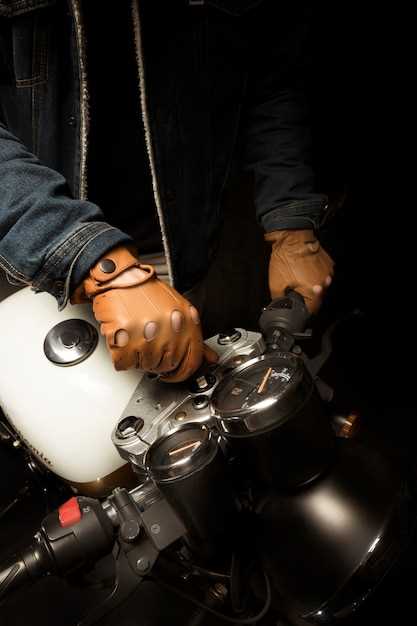
The cafe racer aesthetic is marked by a blend of minimalism, functionality, and a rebellious spirit. Central to this movement is the emphasis on the motorcycle’s stripped-down appearance, characterized by a lightweight frame and absence of unnecessary components. This creates an agile bike that encourages speed and maneuverability, key aspects appreciated by racers.
The seat design is another defining feature, typically a low-profile, single seat that emphasizes a sleek silhouette. It often includes a distinctive racer tail, enhancing both aesthetics and aerodynamics. The handlebars are usually lowered, allowing for a more aggressive riding position that reflects the racing heritage of the cafe culture.
Color schemes within the cafe racer aesthetic often feature bold, classic tones such as black, silver, and racing stripes, allowing for personalization while maintaining an elegant appearance. The use of vintage parts and retro styling further pays homage to the original motorcycle racing scene, establishing a connection to the past.
Another notable characteristic is the presence of custom exhaust systems that not only enhance performance but also deliver a signature sound, capturing the essence of speed and thrill. Wheels are typically spoked and may feature lightweight materials to improve handling and speed on the road.
In essence, the cafe racer aesthetic is defined by its focus on lightweight design, functional modifications, and a distinctive vintage flair, all aimed at enhancing the rider’s experience and celebrating the spirit of motorcycle racing.
The Influence of Music and Subcultures on Cafe Racer Enthusiasm

The cafe racer movement, rooted in the 1960s, emerged as a blend of motorcycle culture and the vibrant music scene of the time. This movement epitomized a sense of freedom and rebellion, closely linked to various musical genres such as rock ‘n’ roll, punk, and later, alternative music. The raw energy of these sounds resonated deeply with racers, influencing their lifestyle and aesthetics.
Music played a crucial role in establishing the identity of cafe racers. Tracks from legendary bands inspired a sense of camaraderie among riders. Groups such as The Who and later punk bands became anthems for the scene, fostering a spirit of individuality and speed. This synergy between music and motorcycle culture captivated the youth and propelled the cafe racer ethos, advocating for handmade craftsmanship and unique style in motorcycle modifications.
Moreover, subcultures such as the Mods and Rockers in the UK significantly shaped the cafe racer lifestyle. The Mods favored a sharp, stylish appearance, which translated on their motorcycles through sleek, minimalist designs. In contrast, the Rockers embraced a more rebellious attitude, represented in their loud, powerful machines. These distinctions contributed to the rich tapestry of cafe racer culture, as enthusiasts sought to embody the spirit of their chosen subculture through their bikes.
This relationship between music, subcultures, and motorcycles created an environment where creativity thrived. Events like ride-ins and live music shows became central to the cafe racer community, drawing enthusiasts together to share their passion for speed and style. The influences of music and subcultures continue to permeate the cafe racer movement today, maintaining its relevance and attraction to new generations of motorcycle enthusiasts.